The $134 Billion Battle for AI’s Soul
Elon Musk has intensified his legal crusade against OpenAI and Microsoft, seeking a massive $134 billion in damages ahead of a scheduled 2026 jury trial. Musk’s legal team argues this figure represents the “wrongful gains” the companies achieved by pivoting from a non-profit mission to a commercial powerhouse. They contend that Musk’s early seed funding and reputation were essential to the venture’s success, alleging that the defendants effectively defrauded him by monetizing technology that was originally promised to be open-source and for the benefit of humanity.
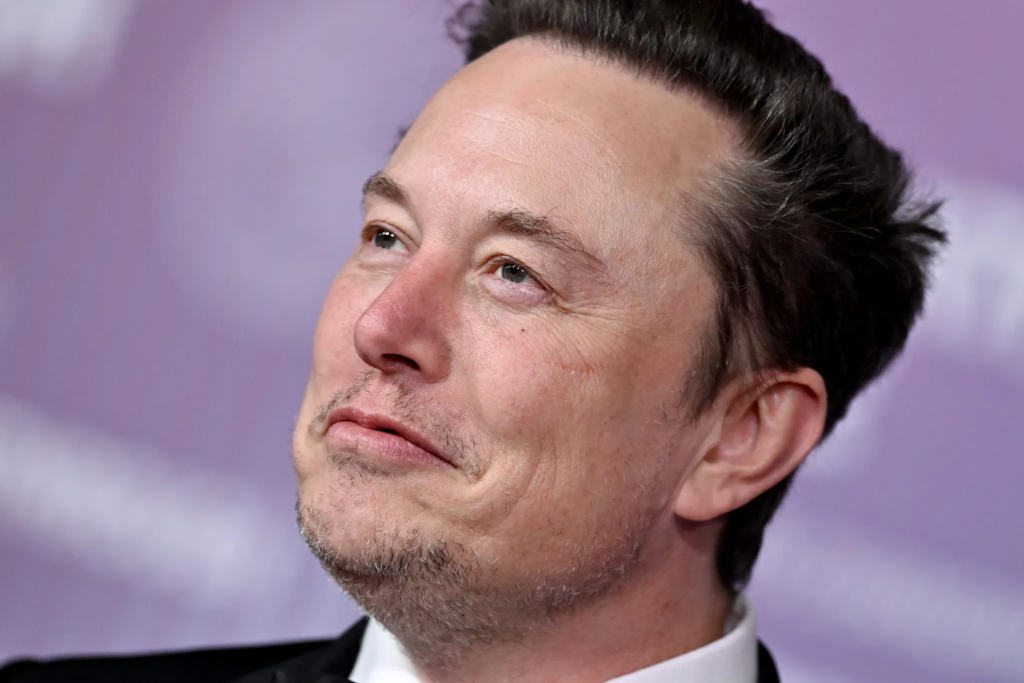
OpenAI has fired back, labeling the staggering demand as “unserious” and part of a harassment campaign intended to bolster Musk’s own rival firm, xAI. The company maintains that Musk previously supported a for-profit transition and only turned against them after failing to seize total control of the organization. As the case moves toward federal court, it has transformed into a high-stakes showdown over the origins of the industry leader and whether its massive valuation was built on a broken promise to its founding donor.
The Digital Cease-Fire: California Takes on xAI
California Attorney General Rob Bonta has issued a stern cease-and-desist order to Elon Musk’s xAI, targeting the platform’s “Grok” chatbot over its role in generating nonconsensual sexual deepfakes. The state’s top prosecutor alleges that the AI model lacks sufficient guardrails, allowing users to create explicit, AI-generated imagery of real individuals without their consent. This move marks a significant escalation in regulatory efforts to curb the weaponization of generative AI, with officials demanding that the company immediately implement stricter safety protocols to prevent further privacy violations and harassment.

In response, the Attorney General emphasized that while innovation is encouraged, it cannot come at the cost of public safety or individual dignity. The order mandates that xAI provide detailed documentation on its current moderation tools and outlines potential legal consequences if the platform fails to comply with state consumer protection laws. As the battle over AI ethics intensifies, this case serves as a high-profile warning to tech developers that they will be held accountable for the outputs of their algorithms, especially when those outputs facilitate digital abuse.
The Price of “Free”: Targeted Ads Come to ChatGPT
OpenAI has announced it will begin testing targeted advertisements within ChatGPT, marking a major shift in how the platform monetizes its massive user base. The ads will primarily appear at the bottom of conversation threads for users on the “Free” tier and the newly launched $8-per-month “Go” tier. These placements are designed to be contextually relevant—meaning if you’re discussing travel, you might see ads for hotels or airlines—as the company looks to offset the staggering compute costs of running its AI models.
Despite the move into advertising, OpenAI insists it will maintain strict privacy boundaries, promising not to sell user data to third parties or use conversation history to train its core models. Paid subscribers on Plus, Team, and Enterprise plans will remain ad-free for now. While the company frames the move as a way to keep high-level AI accessible to everyone, critics worry the “enshittification” of the platform could erode user trust and drive audiences toward ad-free competitors.
The $500 Billion Silicon Shield: Taiwan’s Massive U.S. Investment
The United States and Taiwan have brokered a historic “America First” trade deal that will see at least $250 billion in private Taiwanese investment poured into U.S. semiconductor manufacturing. This agreement, spearheaded by the U.S. Commerce Department and industry titan TSMC, aims to reshore critical chip production to mitigate geopolitical risks and secure the supply chain for AI and national security. In total, the deal is valued at $500 billion when including government-backed credit guarantees intended to help Taiwanese firms build a comprehensive industrial ecosystem on American soil.
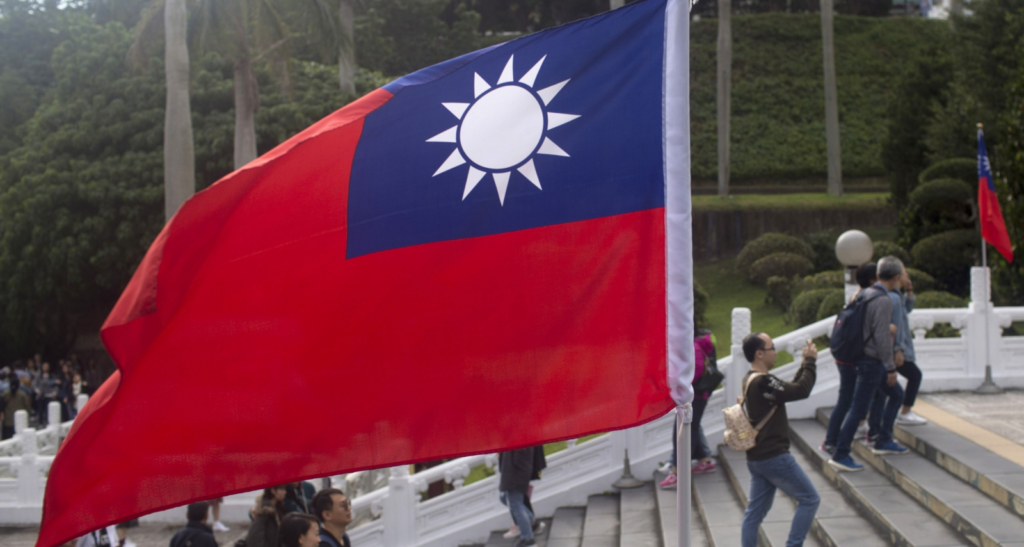
In exchange for this massive capital infusion, the U.S. has agreed to cap reciprocal tariffs on Taiwanese goods at 15%, down from previous highs of 20%. While the deal promises to create thousands of high-tech jobs and revitalize domestic manufacturing, it has already drawn sharp criticism from China, which views the tightening U.S.-Taiwan bond as a provocation. Despite the scale of the commitment, experts note that success will depend on overcoming significant hurdles, including higher U.S. operating costs and a persistent shortage of specialized engineering talent.
The AI Firewall: U.S. Hits Nvidia with 25% China Tariff
The U.S. government has intensified its technological blockade by imposing a new 25% tariff on Nvidia’s H200 AI chips destined for China. This move aims to further restrict Beijing’s access to high-end computing power, targeting the hardware essential for training advanced artificial intelligence models. By making these critical components significantly more expensive, the U.S. hopes to slow China’s domestic AI development and maintain a strategic competitive edge.
This escalation places Nvidia in a difficult position as it navigates increasingly narrow trade corridors for its most profitable products. While the company has previously designed “scaled-down” versions of its chips to comply with export rules, these new tariffs add a heavy financial burden to an already complex regulatory landscape. Industry analysts warn that such aggressive measures may accelerate China’s efforts to achieve semiconductor self-sufficiency, potentially reshaping the long-term global chip market.