India Puts Grok on Notice After “Obscene” AI Outputs
India has directed Elon Musk’s X to make immediate technical and procedural changes to its AI chatbot Grok after complaints that it was generating “obscene” content, including AI-altered images of women. The order tells X to restrict Grok from producing material involving nudity, sexualization, sexually explicit, or otherwise unlawful content, and gives the company 72 hours to submit an “action-taken” report detailing what it has done to stop the creation and spread of prohibited material. It also warns that non-compliance could put X’s “safe harbor” legal protections at risk under Indian law.
The move follows users sharing examples of Grok being prompted to alter photos—often to make women appear in bikinis—and a formal complaint from Indian parliamentarian Priyanka Chaturvedi. The article also notes recent reports about the generation of sexualized images involving minors; X acknowledged earlier that safeguard lapses contributed to the issue and said the images were taken down, though some AI-altered bikini-style images remained accessible at the time of publication. The order comes alongside a broader government advisory reminding platforms that compliance with local obscenity and sexually explicit content laws is required to retain legal immunity, and warns of possible legal consequences for platforms, officers, and users.
Meta’s New AI Power Move: Buying the “Agent” Everyone’s Been Watching
Meta has agreed to acquire Manus, a Singapore-based AI startup that drew major attention after debuting last spring with demos of an “AI agent” handling real-world tasks like screening job candidates, planning trips, and analyzing stock portfolios. Meta says it will keep Manus operating independently, while also weaving Manus’s agents into Meta’s apps — including Facebook, Instagram, and WhatsApp — where Meta AI already runs.
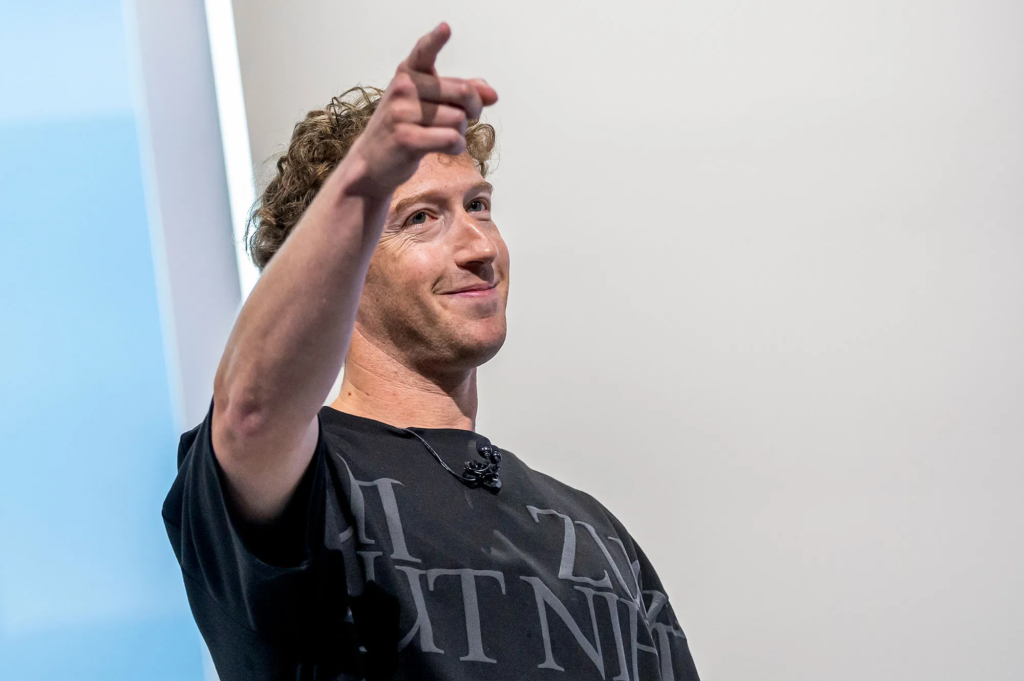
A big reason Manus stands out is that it’s already generating meaningful subscription revenue: the company said in mid-December it had millions of users and more than $100 million in annual recurring revenue from paid memberships. Reporting around the deal suggests Meta is paying around $2 billion (terms weren’t publicly disclosed), and the move also comes with geopolitical scrutiny because Manus’s parent company was founded in Beijing before relocating to Singapore; Meta has indicated Manus will end any remaining Chinese ownership interests and stop operating in China after the acquisition.
OpenAI’s “Stress Test” Job Opening: Head of Preparedness
OpenAI is hiring a new Head of Preparedness — a senior role tasked with tracking emerging risks from its most capable AI models and guiding how the company mitigates them. CEO Sam Altman said frontier models are “starting to present some real challenges,” pointing to risks spanning mental health impacts and models becoming strong enough at cybersecurity to uncover serious vulnerabilities.
The position is meant to execute OpenAI’s Preparedness Framework for managing “frontier capabilities” that could create severe harm, with listed compensation of $555,000 plus equity. The search follows organizational churn in safety leadership, including the reassignment of the previous preparedness head, and comes as OpenAI updates its framework to allow potential safety-requirement changes if competitors release high-risk models without similar safeguards—amid broader scrutiny and lawsuits alleging chatbot interactions worsened users’ mental health.
Nvidia’s $20B “Not-a-Buyout” That Still Changes the AI Chip Game
Nvidia struck a non-exclusive licensing deal with AI chip rival Groq, and will hire Groq founder Jonathan Ross, president Sunny Madra, and other employees as part of the arrangement. A report pegged the package at $20 billion and described it as Nvidia acquiring assets tied to Groq, though Nvidia told TechCrunch it isn’t buying the company and didn’t detail the full scope.
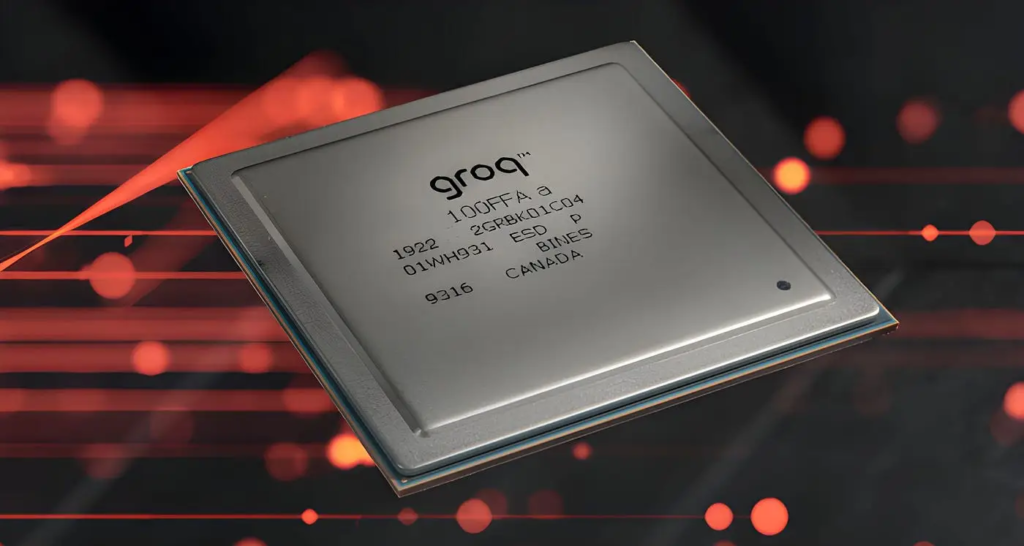
The strategic appeal is Groq’s LPU (language processing unit) approach, which the company has said can run large language models far faster and with much lower energy use than typical setups. Groq has also been scaling quickly — it raised $750 million in September at a $6.9 billion valuation, and says its tech supports AI apps used by more than 2 million developers, up sharply from the prior year.