Microsoft Strikes Back: 3 New AI Models to Challenge the Giants
Microsoft is intensifying the AI race by introducing three new foundational models aimed at competing directly with leading players like OpenAI, Google, and Anthropic. These models are designed to strengthen Microsoft’s position across a wide range of applications—from enterprise tools to developer platforms—by offering improved performance, efficiency, and flexibility. The move signals Microsoft’s strategy to reduce reliance on external AI providers while building its own powerful ecosystem of models.
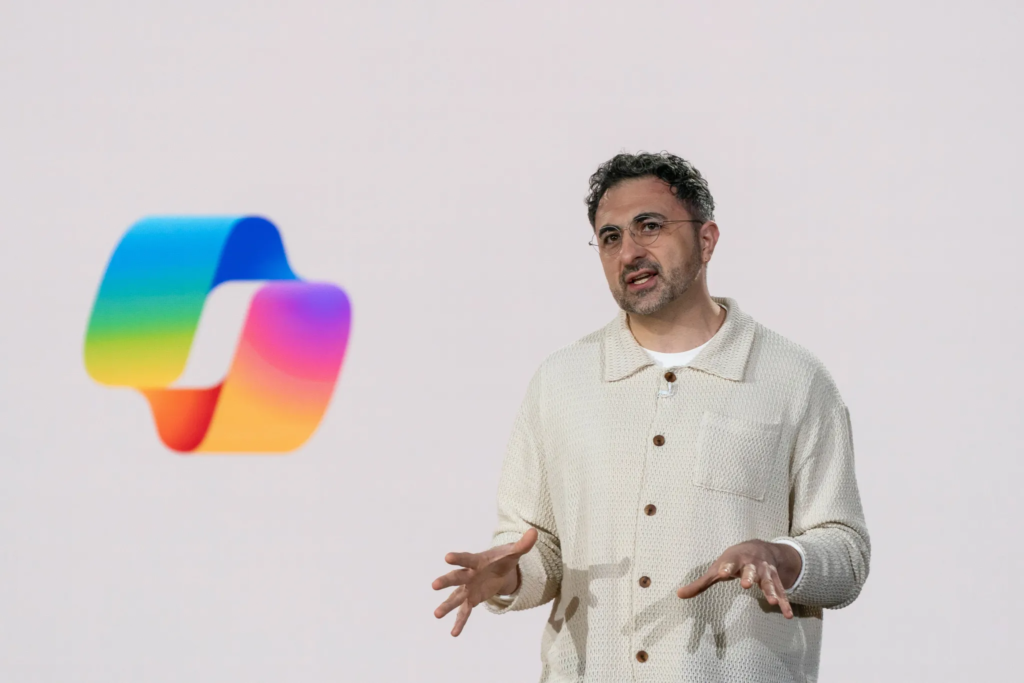
In particular, the new models focus on handling diverse workloads, including language processing, reasoning, and multimodal tasks. Microsoft is positioning them to integrate deeply into its products such as Azure and productivity software, enabling businesses to customize AI solutions more easily. This development highlights a broader shift in the industry, where tech giants are racing to control both the infrastructure and the intelligence layer of AI—making competition sharper and innovation faster than ever.
Alexa+ Brings Conversational Food Delivery to Your Voice
Amazon has upgraded Alexa+, its cutting‑edge AI assistant, with a new feature that lets users order food from Uber Eats and Grubhub using simple natural language — just like talking to a waiter. Instead of opening apps and tapping through menus, you can ask Alexa+ to find restaurants, browse menus, customize your meal, make changes mid‑conversation, and complete the order in one go. This experience is rolling out now on devices like the Echo Show 8 and larger smart displays.

To get started, you link your Uber Eats or Grubhub account in the Alexa app, and Alexa+ pulls in past orders and restaurant options. It shows your cart and updates on screen while you speak, so it’s easy to see everything before you confirm. This move is part of Amazon’s broader push to make voice AI more useful and interactive — with plans to expand similar conversational features into groceries and even travel planning in the future.
AI at Work: Who’s Ready for an Algorithm Boss?
A new national Quinnipiac University poll reveals a fascinating glimpse into Americans’ attitudes toward artificial intelligence in the workplace. Only about 15 % of U.S. adults say they would be willing to have an AI program as their direct supervisor—assigning tasks and setting schedules—while the vast majority still prefer human bosses. The survey, conducted from March 19–23, 2026 with ~1,400 adults, also explored broader feelings about AI adoption, trust, and job concerns.

Despite rising use of AI tools on the job (for research, writing, and data tasks), Americans remain wary about AI’s role in leadership and employment. Many believe that AI advancements will reduce overall job opportunities, and a significant share fear that their own roles could be affected. While some employers are already using AI to automate managerial work, the poll highlights a persistent gap between technology adoption and trust in AI as a decision‑making authority.
Netflix’s “Magic Eraser” for Videos — VOID AI Goes Open Source
Netflix’s AI research team has just open‑sourced a powerful new video model called VOID (Video Object and Interaction Deletion), designed to remove objects from videos in a way that feels physically plausible — not just visually patched. 💡 Unlike traditional editing tools that fill in backgrounds after object removal, VOID goes further: it also erases the downstream physical effects that the object would have caused in the scene (like a guitar falling if the person holding it is removed) and reconstructs the video so it looks natural without it.
Built on advanced video diffusion tech and trained to understand causal interactions in footage, VOID represents a leap in video editing and computer vision research. Developers and creators can now experiment with this tool under an open‑source license, potentially transforming workflows in film, special effects, and digital content creation by automating tasks that used to require painstaking manual work.
OpenAI’s Secret Weapon? GPT-Images v2 Leaks to Rival Google’s “Nano Banana
The AI image wars just hit a fever pitch. Leaks from early April 2026 suggest that OpenAI has begun stealth-testing GPT-Images v2, a powerhouse model designed to snatch the crown back from Google’s high-end Nano Banana Pro. While v1.5 focused on raw speed, v2 is all about “spatial intelligence”—early testers report a massive leap in its ability to follow complex instructions, like generating perfectly labeled scientific diagrams or high-fidelity art that understands the nuances of human anatomy better than ever before.

However, the “perfect” image still has a few glitches in the matrix. While the model is reportedly blazing fast, some early community feedback notes that human faces can still occasionally lean into a “plasticky” aesthetic, and its scientific accuracy isn’t foolproof yet—sometimes hallucinating the parts of a cell. Despite these growing pains, the buzz is undeniable: v2 is positioning itself as a more creative, intuitive artist that can turn a messy text prompt into a masterpiece in seconds. It’s currently in a limited rollout, but the AI world is bracing for an official launch that could redefine digital creation.