
OpenAI Elevates Voice AI with Real-Time Models for Smarter Interactions
OpenAI has launched new voice intelligence features in its API, introducing advanced capabilities that move beyond simple speech-to-text or text-to-speech functions. With three new real-time voice models, the company now offers the ability to engage in interactive conversations, live translation across over 70 languages, and real-time transcription. The models—GPT-Realtime-2, GPT-Realtime-Translate, and GPT-Realtime-Whisper—are designed to handle complex user requests, making voice interactions smarter and more dynamic.
These tools aim to enable developers to create more interactive and practical voice applications, including uses in customer service, multilingual communication, and education. With built-in safety measures to prevent misuse, OpenAI is positioning voice as a primary interface for future AI-driven systems, offering far more than just basic voice commands.
Perplexity Brings AI Desktop Workflow to Every Mac User
Perplexity has made its “Personal Computer” AI technology broadly available to Mac users through a new native desktop app. Previously limited to a small group of early users on higher‑tier plans, the feature now lets any Mac user with a Pro or Max subscription download and run the software. It isn’t just a chatbot. Personal Computer is designed to act as an AI agent that can work with your local files, native macOS apps, and the web to carry out multi‑step tasks and workflows without you having to manually move information around.

What makes this different from typical cloud‑only AI tools is that it operates on your own device, meaning it can access and orchestrate work across documents, apps, and browser sessions while offering a degree of continuity and context you don’t get from a simple query‑and‑response interface. With support for more than 400 connectors and the ability to run in the background or be triggered remotely, it aims to make AI a more integrated part of everyday computing on macOS.
China’s Moonshot AI Nets $2 Billion, Hits $20 Billion Valuation
Beijing‑based Moonshot AI just closed a massive $2 billion funding round that values the company at about $20 billion, a huge jump in a very short time. The round was led by the venture arm of Meituan with participation from big names like China Mobile and Tsinghua Capital. That money comes as demand for open‑weight large language models from Chinese firms is surging, even as the startup’s recurring revenue has climbed past $200 million thanks to paid subscriptions and API usage. Moonshot’s latest LLM, Kimi K2.6, is now one of the most used open models on popular platforms, showing that investors still see strong commercial and technical potential.
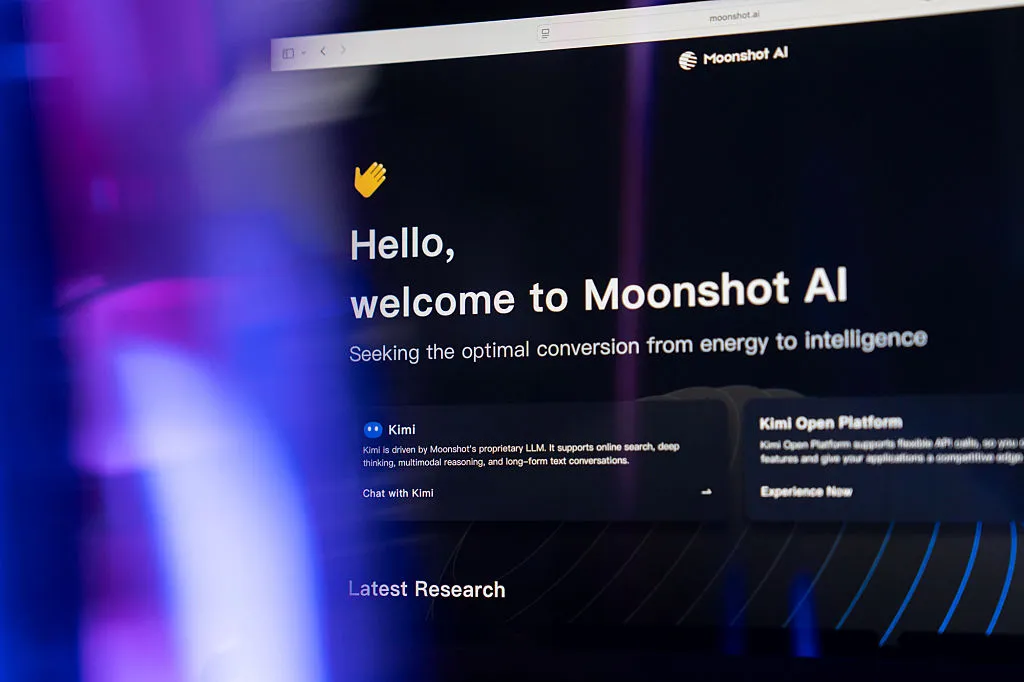
This funding round is also a signal about the broader AI landscape in China. Despite tighter capital compared with Western rivals, local models are gaining traction with developers and companies looking for alternatives to U.S.‑dominated systems. Moonshot’s rapid rise reflects that shift, as well as growing competition from other Chinese labs that are preparing their own large raises and new models.
Spotify’s AI DJ Goes Multilingual and Widens Its Reach
Spotify’s interactive AI DJ feature, which combines curated music with spoken commentary and personalized interactions, now supports four additional languages: French, German, Italian, and Brazilian Portuguese. This expands the DJ’s capabilities beyond the previous English and Spanish offerings and brings localized voices and personalities to listeners in new regions. The update isn’t just about translation. Each language version is tailored with its own style and voice character to feel more natural and engaging for users in those markets.

At the same time, Spotify has opened up access to the feature in multiple new countries, pushing availability to more than 75 markets worldwide. Users in places like Austria, Brazil, France, Germany, Italy, Portugal, South Korea, and Switzerland can now interact with the AI DJ, request songs, change moods or genres, and enjoy a more conversational music experience. This move reflects Spotify’s bet that deeper AI personalization will keep listeners more engaged and make its premium service stand out.
SpaceX’s Massive Bet on a Texas Chip Factory Could Reach $119 Billion
SpaceX is planning an enormous investment in a semiconductor fabrication plant in Texas, with potential spending reaching as high as $119 billion over time. The goal is to make advanced chips domestically at a very large scale, a move that would support SpaceX’s own needs as well as broader U.S. supply chain goals. Building and equipping cutting‑edge fabs is extremely expensive, and this proposed plant would be among the largest standalone chip fabrication investments in the United States.
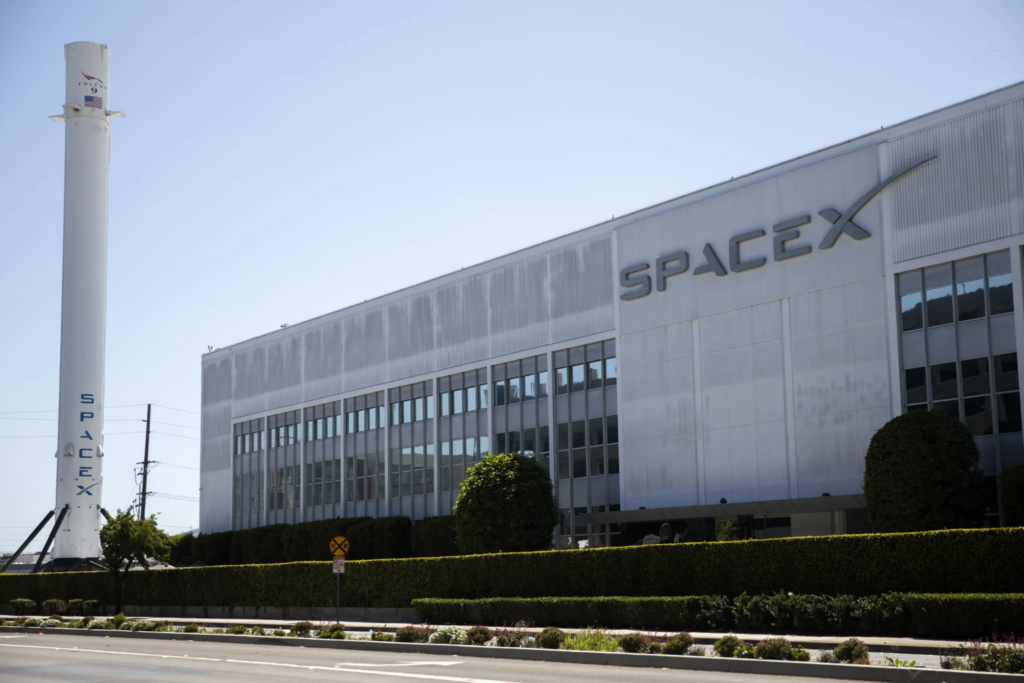
The effort reflects a bigger trend of companies and governments trying to bring more chip manufacturing back home rather than relying on overseas facilities. SpaceX’s push into this area isn’t just about securing supply for rockets, Starlink satellites, or other hardware. By developing its own capability at scale, the company could influence broader parts of the semiconductor ecosystem and reduce exposure to global bottlenecks that have strained industries over recent years.