
Tesla Expands Robotaxi Push in Texas
Tesla has extended its robotaxi service to Dallas and Houston, adding them to Austin, which means the company is now operating robotaxis in three Texas cities. The announcement was made through Tesla’s social media, alongside a short video showing vehicles driving without a human monitor or driver in the front seat. Tesla had already launched in Austin in 2025 and began offering rides there without safety drivers in January 2026.
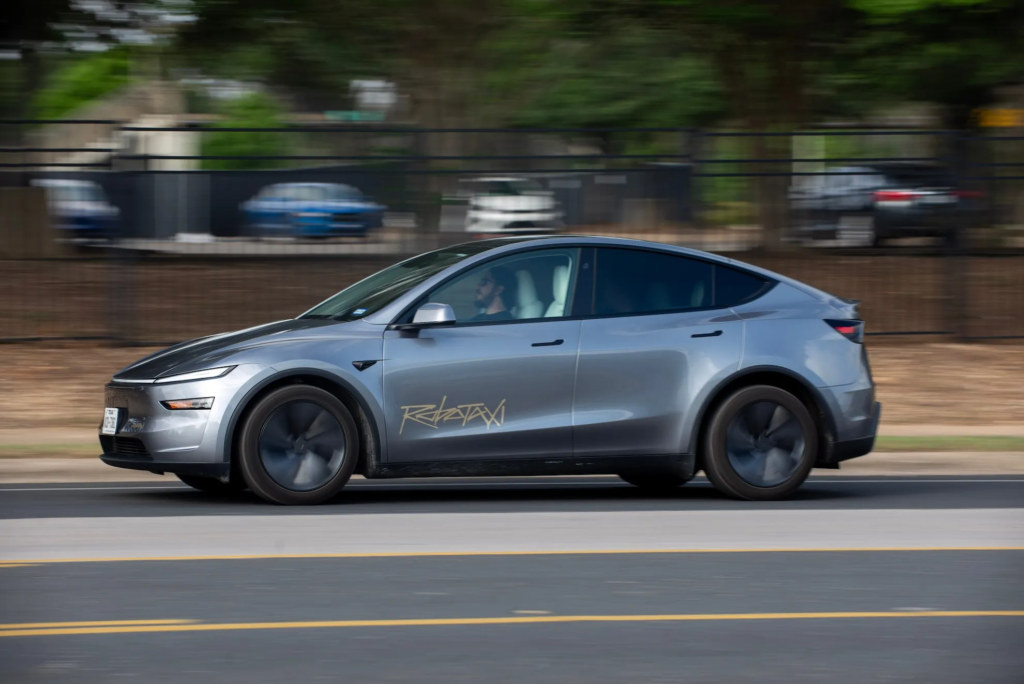
But the expansion looks more like a symbolic growth move than a full-scale rollout for now. TechCrunch notes that crowdsourced tracking data showed only one vehicle each in Dallas and Houston at the time, compared with 46 active vehicles in Austin. The report also points out that Tesla’s Austin robotaxi fleet had been involved in 14 crashes since launch, while the company continues to run a more limited ride service with human drivers in the San Francisco Bay Area. So the headline is expansion, but the real story is that Tesla is still in the early, fragile stage of proving this service can scale safely.
AI Coding Unicorn Cursor Nears Massive $2B Fundraise
AI coding tools are the hottest enterprise software play right now, and Cursor is leading the charge. According to multiple industry sources, the four‑year‑old startup is in advanced talks to raise at least $2 billion in new funding at a valuation of roughly $50 billion — nearly doubling its valuation from about $29.3 billion just months ago. The planned round is expected to be co‑led by returning investors Thrive Capital and Andreessen Horowitz, with strategic participation from Nvidia and others, and is already oversubscribed, meaning investor demand exceeds the available allocation. This level of capital — if it closes — would mark one of the largest private tech funding rounds of the year and reinforce investor confidence in AI‑driven software development tools.
The rationale behind this surge is Cursor’s explosive enterprise adoption and revenue growth. After surpassing an annualized revenue run rate of around $2 billion in early 2026, the company now forecasts north of $6 billion by the end of the year — a rare feat for a B2B software player roughly three years old. Its tools automate and accelerate coding workflows for engineering teams, making it attractive to Fortune 500 companies. While competition from offerings like GitHub Copilot, Anthropic’s Claude Code, and OpenAI’s Codex intensifies, Cursor’s rapid scaling and broad customer base have positioned it as a major force in the AI coding market — and one investors are willing to back with enormous capital.
Luma’s AI Studio Takes on Hollywood With a Faith‑Focused Twist
AI video startup Luma has launched Innovative Dreams, a next‑generation AI‑powered production studio in partnership with faith‑focused creator Wonder Project. The new company combines Luma’s generative AI tech — called Luma Agents — with seasoned filmmakers to accelerate and transform the filmmaking process. Their first major production, “The Old Stories: Moses,” starring Ben Kingsley, is slated for release this spring on prime streaming platforms.

The venture aims to reshape how visual content is made by allowing directors and creative teams to collaborate with AI in real time — adjusting sets, lighting, backgrounds, and effects during production instead of deferring much of that work to post‑production. While the initial focus is on faith and family‑oriented storytelling, the studio is positioned to support a wider range of content across genres. This move signals a broader shift in entertainment where AI tools are no longer just experimental assistants but core elements of the creative and production pipeline.
Google Makes Browsing Smarter With Side‑by‑Side AI Mode
Google has rolled out a significant update to AI Mode in its Chrome browser that tears down the old tab‑juggling problem. Now on Chrome desktop in the U.S., when you’re using AI Mode and click a search result, the web page opens side‑by‑side with the AI interface instead of replacing it — let you read a site while still interacting with the AI assistant. The idea is to keep the search context alive, make comparing details easier, and let you ask follow‑up questions about the page content without flipping between tabs. Google also added a tool that lets you search across your open tabs, images, and files by selecting them through a plus menu, so all your research materials can feed into the AI assistant’s answers.
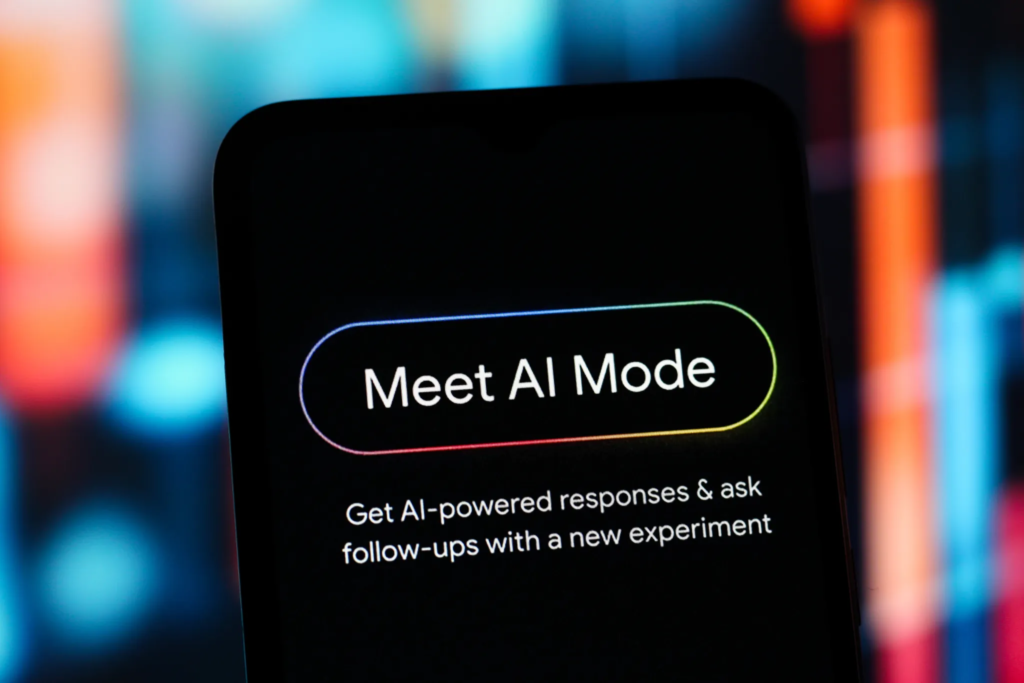
This isn’t just a UI tweak — it signals Google’s push to merge generative AI more deeply into everyday browsing. Instead of traditional search where you leap from page to page, AI Mode aims to be a persistent companion that can synthesize context from both the web and your own open content. While the current rollout is limited geographically, expanding it worldwide would redefine how people do online research, shop, compare information, and follow complex topics — with the AI always in view and working with live context rather than as a separate, isolated tool.
Robots Leave Humans in the Dust at Beijing Half‑Marathon
In a striking showcase of how far robotics has come, humanoid robots dramatically outpaced human runners in the 2026 Beijing half‑marathon. Over 100 robot teams entered — up from just 20 last year — and many of them were fast enough to beat the human winners by over 10 minutes on parallel tracks designed to avoid collisions. The top robot, developed by Chinese smartphone brand Honor and named Lightning, completed the 21‑kilometer (13‑mile) course in 50 minutes and 26 seconds, a time faster than the current human world record. Roughly half of the robots navigated autonomously without remote control, a huge step forward from the previous edition where most stumbled and failed to finish.
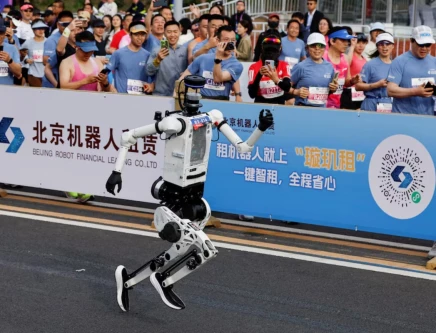
The event highlighted rapid improvements in robot mobility, balance, and AI navigation. Spectators and engineers alike were impressed by machines that once tripped over pavement now running like elite athletes. Still, experts caution that excelling in a controlled race doesn’t mean robots are ready for broader real‑world roles requiring fine manipulation or perception outside predefined conditions. But this dramatic performance — barely a year after last year’s awkward robotic run — underscores how swiftly robotics is evolving and how quickly machines are closing the gap with human physical capabilities.