OpenAI’s New “Lockdown Mode” Raises the Bar on AI Security
OpenAI has introduced a new security feature called Lockdown Mode, designed to help users and organizations protect sensitive information from prompt injection attacks—a growing cybersecurity threat where hidden instructions attempt to manipulate AI systems into revealing confidential data or taking unintended actions. The feature is aimed at people handling high-value or sensitive information and is currently being rolled out to eligible personal and business ChatGPT accounts.

When enabled, Lockdown Mode limits how ChatGPT interacts with external services and networks, reducing the risk that sensitive information could be exfiltrated through malicious prompts embedded in web pages, files, or other content. OpenAI notes that the feature is not intended for everyone; it prioritizes security over convenience and may restrict certain capabilities. The move reflects the industry’s increasing focus on defending AI systems against prompt injection attacks, which remain one of the most challenging security risks in modern AI applications.
Trump Eyes Potential OpenAI Stake in Unprecedented AI Partnership
The Trump administration is reportedly exploring the possibility of taking an equity stake in OpenAI as part of a broader effort to ensure Americans share in the economic gains created by artificial intelligence. According to reports, discussions have centered on the idea that ownership in leading AI companies could help the public benefit directly from the industry’s future growth rather than concentrating wealth among investors and tech firms alone.

The proposal is linked to OpenAI’s concept of a Public Wealth Fund, which would use AI-related equity or profits to create broad public benefits. President Donald Trump said he has discussed arrangements where citizens could effectively become partners in the success of AI companies, while OpenAI CEO Sam Altman has reportedly been advocating versions of the idea since early 2025. Discussions remain preliminary, and no formal agreement has been announced.
Google’s $920M-a-Month AI Deal Gives SpaceX a Massive Boost
Google has agreed to pay SpaceX $920 million per month for computing capacity under a multi-year agreement running from October 2026 through June 2029. The deal will give Google access to roughly 110,000 NVIDIA GPUs, along with related computing infrastructure, helping the company meet surging demand for its AI services, particularly Gemini Enterprise. The agreement underscores how access to computing power has become one of the most critical competitive advantages in the AI industry.
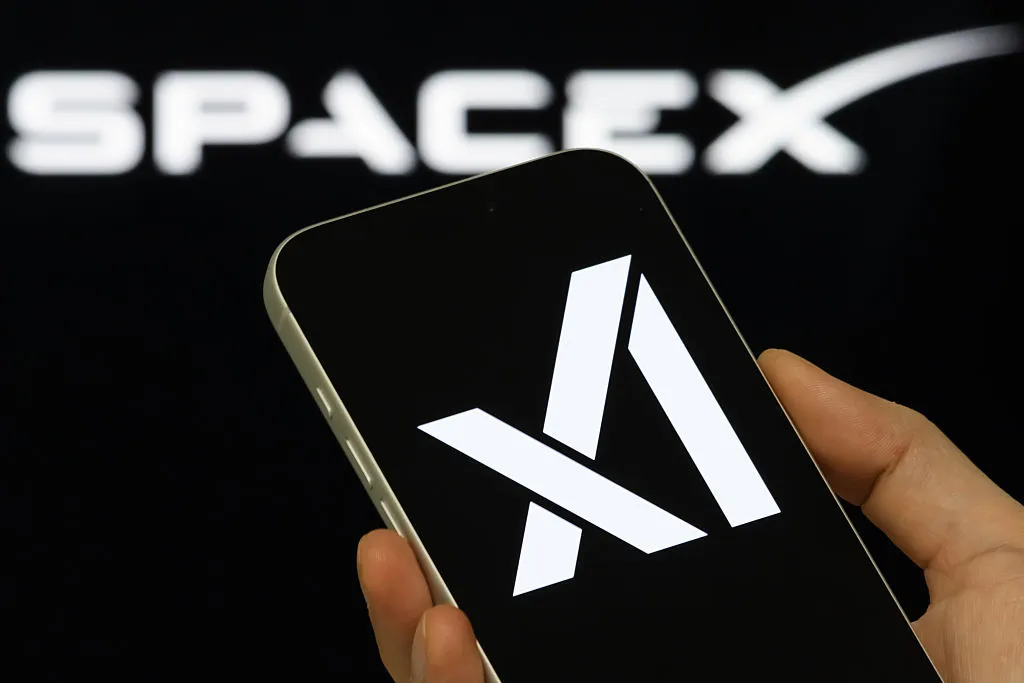
The deal is one of the largest AI infrastructure agreements announced to date and comes just days before SpaceX’s highly anticipated IPO. It follows a similar arrangement between SpaceX and Anthropic, highlighting how major AI companies are increasingly competing for scarce compute resources as AI adoption accelerates. The partnership also signals the emergence of a new business model where infrastructure providers can generate enormous revenue by supplying AI compute at scale.
Airbnb CEO Brian Chesky Launches New AI Lab
Airbnb CEO Brian Chesky is preparing to launch a new AI lab, signaling a deeper push into artificial intelligence beyond Airbnb’s existing products. While details remain limited, the initiative is expected to focus on developing next-generation AI technologies and attracting top researchers and engineers. The move highlights how more tech leaders are investing directly in AI innovation as competition intensifies across the industry. It also reflects the growing belief that AI will reshape nearly every major sector over the coming decade.

Chesky will continue leading Airbnb while backing the new venture, according to reports. The project reflects his growing interest in shaping the future of AI and could position him alongside a new wave of founders building specialized AI research labs. As major breakthroughs increasingly come from well-funded independent teams, the lab could become an important player in the rapidly evolving AI ecosystem. Industry observers will be watching closely to see whether the effort develops into a standalone company or a broader research initiative.
Apple Approves First AI Agent for Messages Platform
Apple has approved Poke as the first standalone AI agent to operate on its Messages for Business platform, marking a significant step toward bringing AI agents directly into Apple’s messaging ecosystem. Previously, the platform was primarily used by businesses such as airlines, retailers, and hotels to communicate with customers through iMessage. The approval allows Poke to offer AI-powered assistance through a familiar texting experience, making advanced AI tools more accessible to everyday users.

Poke can help users manage calendars, plan daily activities, track health and fitness goals, control smart-home devices, and perform other tasks through simple text conversations. The company says it has already processed more than 100 million messages across SMS, Telegram, and other messaging channels. Industry observers see Apple’s decision as an important signal that AI agents could become a larger part of mainstream consumer communication platforms in the years ahead.
Meta Rolls Out AI Business Agent to WhatsApp Users Worldwide
Meta has officially launched its Meta Business Agent globally on WhatsApp Business, expanding a tool that has been tested for nearly two years in markets including India and Mexico. The AI-powered assistant can answer customer questions, recommend products, qualify leads, book appointments, and seamlessly hand off more complex issues to human staff when needed. The global rollout marks one of Meta’s biggest steps yet toward bringing AI-powered customer service to businesses of all sizes.

The company is also extending the AI agent to Instagram and building additional capabilities such as market research, competitive insights, calendar management, and integrations with platforms like Shopify and Zendesk. Meta says more than one million businesses have already used earlier versions of its business AI tools, underscoring growing demand for automated customer engagement. The launch also highlights Meta’s broader ambition to compete with OpenAI, Google, and Anthropic in the fast-growing market for enterprise AI applications.