Oscars Draw the Line: AI Can’t Win the Golden Statuette
The Academy of Motion Picture Arts and Sciences has sharply revised its eligibility rules for the Oscars to make it clear that artificial intelligence has no place in the acting or writing categories. Under the new guidelines, only performances that are demonstrably delivered by real humans with their consent can be nominated, and screenplays must be written by actual people to qualify. Any film crediting AI-generated actors or scripts will be disqualified from those honors. The Academy also reserves the right to probe how films use AI and ask for proof of human authorship when submissions are reviewed.

This move comes as generative AI gets more advanced and visible in Hollywood. Skeptics have raised alarms that fully synthetic actors and AI‑written scripts could undercut human creativity and jobs. The rule change responds directly to those pressures and recent industry examples that blurred lines between human work and machine output. While AI tools can still be used for other aspects of production, core creative roles must remain human to be Oscar‑eligible.
Meta’s Robotics Play: Buying a Startup to Build Smarter Humanoids
Meta has acquired Assured Robot Intelligence (ARI), a young robotics AI company, for an undisclosed amount to accelerate its push into humanoid robot development. ARI’s team and technology are now part of Meta’s Superintelligence Labs, where the focus is on building AI models that help robots move, perceive, learn, and interact in real‑world environments. The founders bring deep expertise in robot control, prediction, and adaptation — skills Meta says matter for the next generation of intelligent machines that can do complex physical tasks.
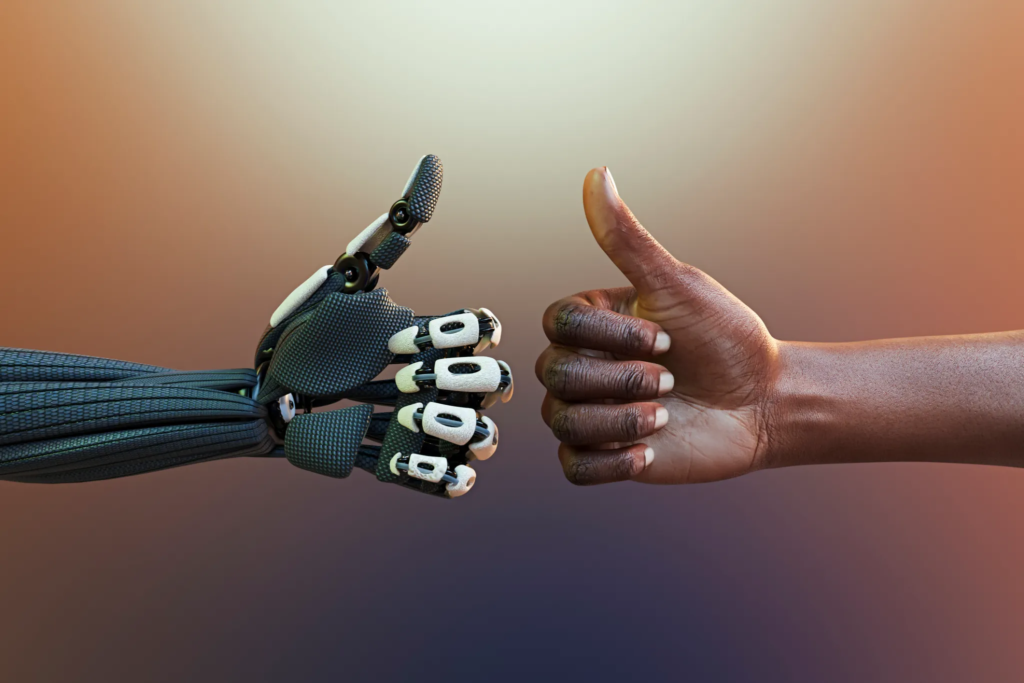
This isn’t just a defensive talent hire. It signals how big AI companies are thinking about the future of intelligence. Most current systems are trained on static data. ARI’s work is oriented toward teaching AI through embodiment and physical interaction, which many experts see as a harder path but one that’s closer to what true general intelligence will require. Meta’s move into humanoids comes as part of broader bets on AI that extend beyond virtual assistants and feeds, and it follows other strategic shifts in the company’s AI roadmap this year.
Pentagon Doubles Down on AI for Secret Military Networks
The U.S. Department of Defense has struck a series of high‑profile deals with major tech companies, including Nvidia, Microsoft, and Amazon Web Services (AWS), to bring advanced artificial intelligence tools onto its classified networks. These agreements allow the Pentagon to deploy AI systems directly in secure environments to support what it calls “lawful operational use” for defense missions. It’s part of a broader push to integrate AI into military data analysis and decision‑making, with officials describing the effort as building an “AI‑first fighting force.” The move follows a dispute with one AI lab, Anthropic, which pushed back on the Defense Department’s usage terms and was subsequently excluded from these contracts.

This shift shows how far the U.S. military is willing to go in tapping commercial AI to enhance battlefield capabilities. By diversifying partners to include several dominant cloud and AI players, the Pentagon aims to avoid reliance on a single vendor and accelerate adoption of machine learning across strategic operations. It’s also sparking internal tensions at some companies and raising ethical questions about the role of AI in national security, but the department’s leadership is pressing ahead, emphasizing speed and competitive edge in an increasingly tech‑driven global environment.
ChatGPT Images 2.0 Takes Off in India but Struggles to Catch Fire Worldwide
OpenAI’s revamped ChatGPT Images 2.0 has clearly struck a chord in India since its launch last week, with the country emerging as the top user base almost immediately. Early data shows India driving the most downloads and heavy usage, with people using the new tool to create personal visuals like cinematic portraits, stylized avatars, and imaginative fantasy images. That surge points to a cultural embrace of creative self‑expression rather than purely practical use.

But beyond India, global traction has been modest at best. Third‑party analytics reveal only slight upticks in overall ChatGPT engagement worldwide, with daily active users showing minimal growth and many markets not seeing the same level of excitement. Some emerging regions, including Pakistan, Vietnam, and Indonesia, have shown sharper interest, yet overall adoption remains tepid compared with India’s strong start.
Google Rolls Gemini AI Into Millions of Cars Underway
Google has started upgrading vehicles equipped with Google built‑in systems to use its Gemini artificial intelligence assistant in place of the older Google Assistant. This isn’t a minor voice command tweak. Gemini brings far more conversational and context‑aware AI to the driving experience, letting drivers speak naturally to manage navigation, music, messages, and even vehicle‑specific information like battery range or climate settings. The rollout begins in the United States in English and will expand to more languages and markets over time.
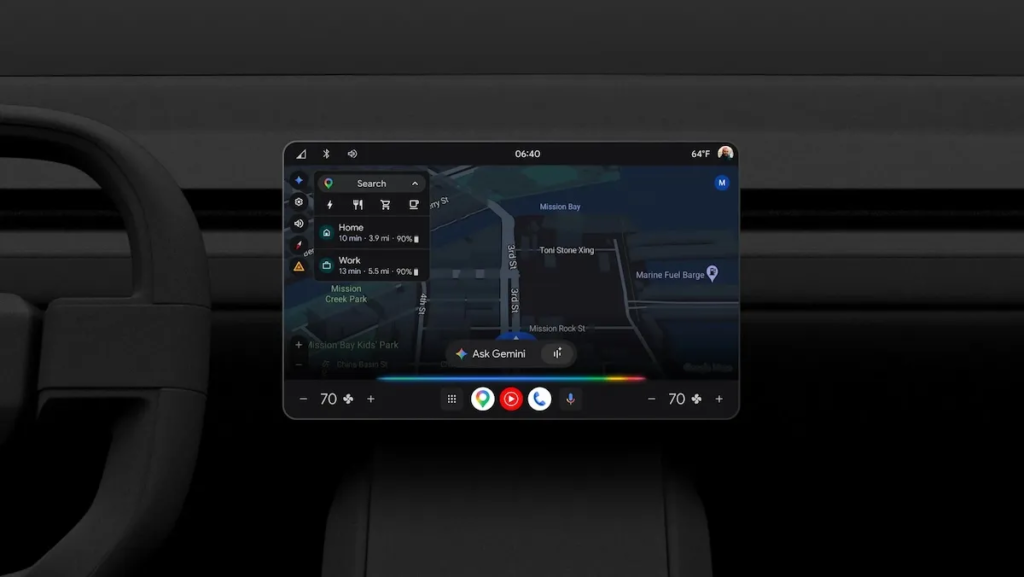
One of the biggest plays so far is with General Motors, which confirmed that about 4 million of its 2022 and newer Cadillac, Chevrolet, Buick, and GMC vehicles will get Gemini via over‑the‑air updates. Existing cars, not just newly sold models, are included, widening the impact. By replacing rigid command patterns with fluid conversation, Google aims to make cars feel like they have a built‑in AI co‑pilot rather than a basic voice tool. This shift sets a new baseline for in‑car AI and challenges competitors in automotive tech and voice assistants.