Nvidia CEO Rejects Reports of Stalled $100B OpenAI Investment
Nvidia’s CEO Jensen Huang has pushed back against recent claims that the company’s $100 billion investment in OpenAI has stalled. A report suggested internal disagreements at Nvidia had led to delays in the deal, which is set to provide significant computational resources to OpenAI. However, Huang dismissed these allegations as “nonsense,” emphasizing Nvidia’s continued commitment to supporting OpenAI and its forthcoming funding round.
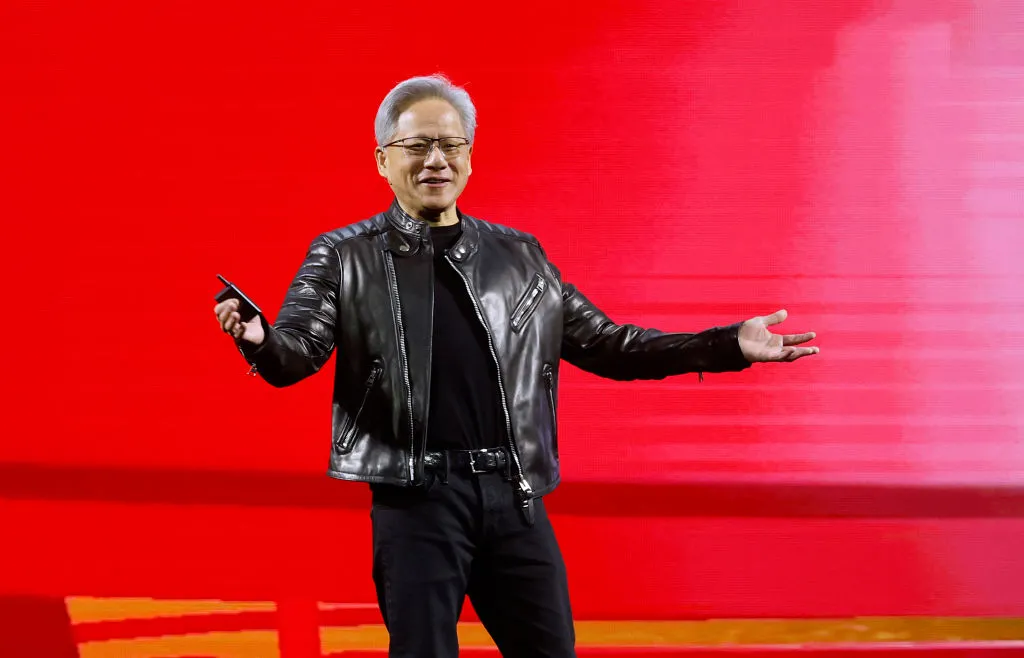
While the $100 billion deal was initially proposed, it is clear that the deal may not be finalized at this scale, and Nvidia remains engaged in talks with OpenAI for a more realistic partnership. The company continues to view OpenAI as one of the most influential players in the AI sector, despite the evolving nature of the investment discussions.
Anthropic Levels Up Cowork with Agentic Plugins
Anthropic has expanded its Cowork platform by introducing agentic plugins that make its AI assistant, Claude, more powerful for business users. These plugins let companies tailor Claude to handle specific tasks — like generating marketing content, analyzing data, supporting customer service, or managing workflows — by “telling” the AI how work should be done and what tools to use. The new feature is currently available in research preview to paid Claude customers, with enterprise users expected to build custom plugins for their own needs.

Cowork itself is designed to go beyond simple chat by acting like a smart collaborator that can execute multi‑step tasks on behalf of users. With these agentic plugins, Claude becomes more of a domain expert in various departments and workflows, helping teams streamline work and boost productivity. The move reflects Anthropic’s goal of bringing more advanced AI automation into everyday business processes.
Amazon Eyes Massive $50B Bet on OpenAI
Technology and finance news outlets report that Amazon.com Inc. is in talks to invest up to $50 billion in OpenAI as part of the AI company’s efforts to raise up to $100 billion in new funding this year. The discussions are said to be led by Amazon CEO Andy Jassy and OpenAI CEO Sam Altman, with details still being negotiated and not yet finalized. If the deal moves forward, Amazon would become one of the biggest contributors in the round, which could help OpenAI reach an estimated valuation of around $830 billion.
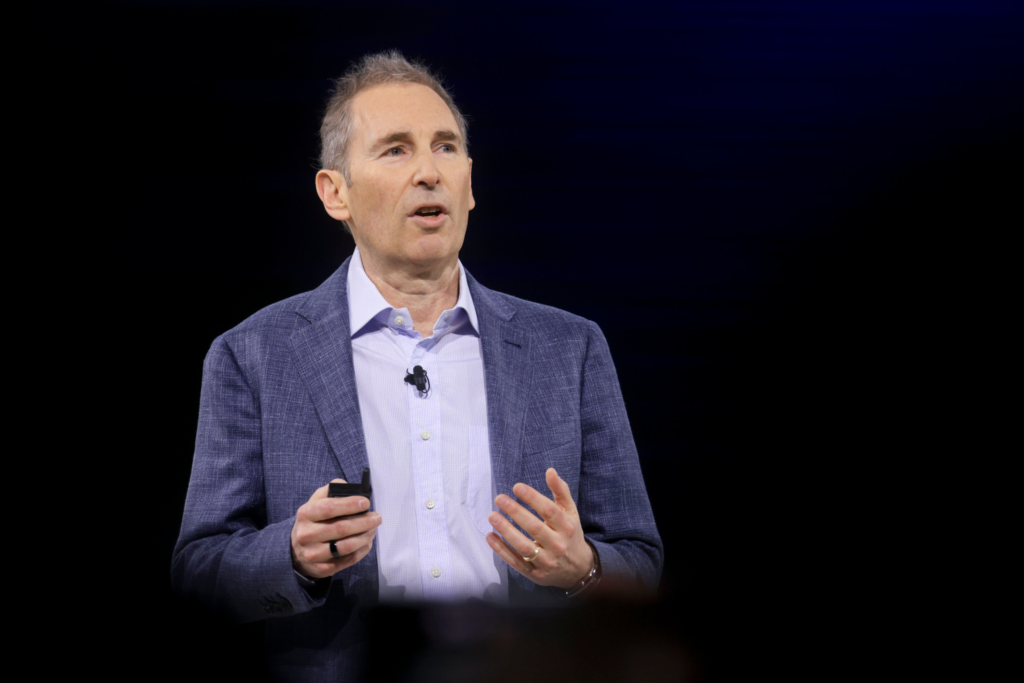
This potential investment comes amid a broader push by major tech players to secure a strong position in the rapidly growing artificial intelligence space. In addition to Amazon’s talks with OpenAI, other companies like Nvidia and Microsoft have also been linked to participation in the funding round, while Amazon continues to deepen its AI infrastructure through its cloud services and hardware investments.
Microsoft’s Copilot: Growing Usage, Defending the AI Bet
Microsoft CEO Satya Nadella recently pushed back against skepticism about the popularity of the company’s Copilot AI tools, saying that usage is increasing significantly and that concerns about low adoption don’t reflect the real picture. During Microsoft’s latest earnings call, Nadella highlighted growth in both consumer and enterprise use, including more than 15 million paid seats for Microsoft 365 Copilot and strong subscription numbers for GitHub Copilot. He also noted growth in daily engagement across various Copilot products and services.
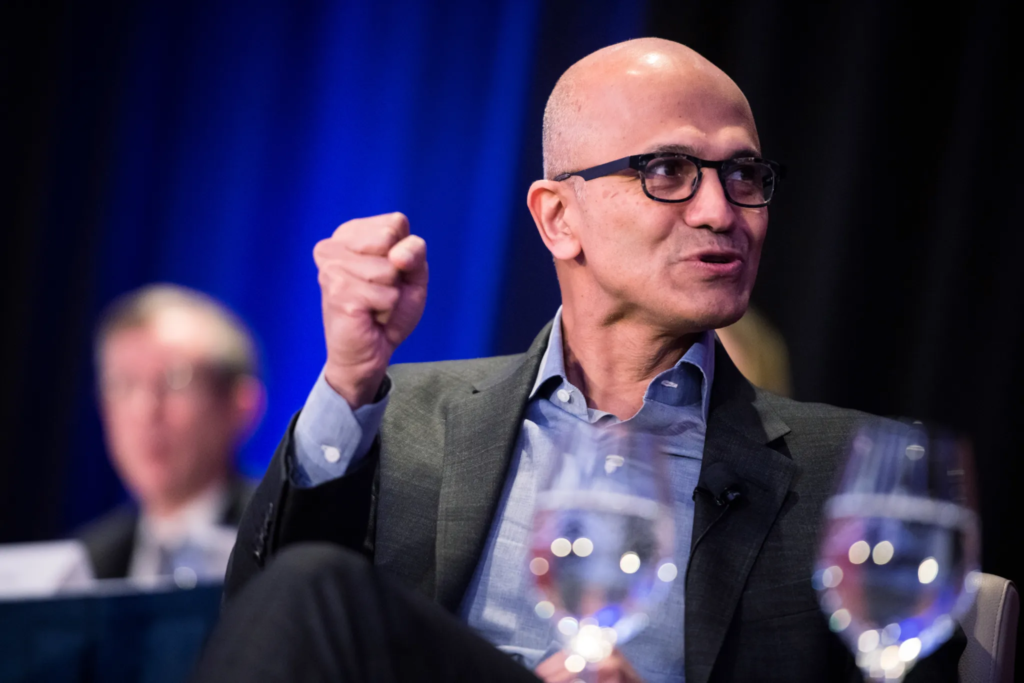
His remarks come as Microsoft has invested heavily in data centers and AI infrastructure, leading some investors to worry about returns on that spending. Nadella’s message was aimed at reassuring the market that Copilot is being used widely and that this adoption trend supports the company’s long‑term strategy in artificial intelligence.
Apple’s Big AI Play: Buying Q.ai to Power Tomorrow’s Devices
Apple has confirmed it acquired Israeli AI startup Q.ai in a deal valued at around $2 billion, marking one of its largest purchases ever. The company, founded in 2022, specializes in advanced imaging and machine learning technology that can interpret whisper‑level speech and facial micro‑movements. This technology is designed to help devices understand subtle human inputs — like silent communication or enhanced audio in noisy settings — which could play a big role in future wearables and AI products. The acquisition brings Q.ai’s team, including co‑founder Aviad Maizels, into Apple to accelerate innovation in intuitive human‑machine interaction.
This move reflects Apple’s broader push to strengthen its on‑device AI capabilities as competition heats up with rivals like Meta, Google, and others in the wearable and augmented reality space. Q.ai’s technology could be integrated into products such as AirPods, Vision Pro, or future smart devices to make voice and gesture controls more seamless and private. The deal also highlights Apple’s strategy of acquiring niche AI startups to boost its hardware and software ecosystem at a time when the company is under pressure to expand its leadership in artificial intelligence.