Meme Yourself” – Google Photos Adds AI Meme Generator Feature
Google Photos has introduced a fun new feature called Me Meme, which allows users to create memes using their own photos. This generative AI tool lets you choose from various meme templates and personalize them with your own image, making it easy to turn a simple selfie into a humorous meme. Currently rolling out in the United States, the feature is designed to be simple and user-friendly, allowing you to generate, save, and share your meme creations in just a few taps.
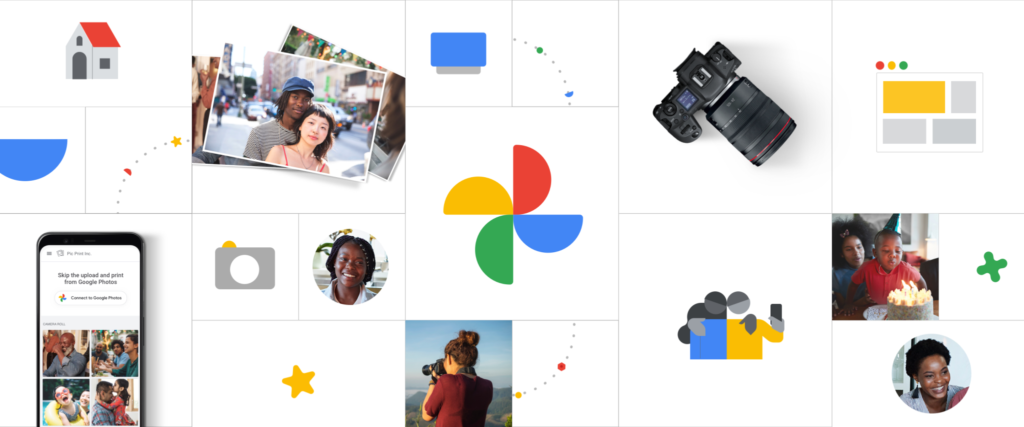
Although labeled as an experimental feature, Me Meme showcases Google’s innovative use of AI technology to enhance user creativity within the Photos app. The tool offers a fun way to engage with your photo library, providing an alternative to third-party meme generators by integrating the process directly into Google Photos.
Meta Pauses Teen Access to AI Characters for Safety Updates
Meta has decided to temporarily halt teenagers’ access to its AI characters across its apps, including Facebook, Instagram, and WhatsApp. This move, which will take effect in the coming weeks, is part of the company’s effort to enhance safety measures. While teens will still be able to interact with the general AI assistant, they will not have access to the specialized AI characters until a safer, updated version is ready. Meta emphasizes that this is a pause, not a permanent shutdown, as it works on implementing stronger parental controls and ensuring age-appropriate interactions.
This decision follows growing concerns about online safety for young users and comes just before a trial in the U.S. examining Meta’s responsibility in protecting children from potential harm. When the new version of the AI characters is launched, it will feature more stringent safeguards, offering content focused on education and hobbies, and providing parents with better oversight of their teens’ interactions with AI.
Spotify Launches AI-Powered Prompted Playlists in U.S. and Canada
Spotify has introduced a new AI-driven feature called Prompted Playlists to Premium subscribers in the U.S. and Canada. This feature allows users to describe their desired music experience in natural language, and Spotify’s AI generates a custom playlist based on their input. The playlists are created by combining the user’s listening history with current music trends, providing a highly personalized and dynamic music selection. Unlike traditional playlists where users select genres or moods, this feature lets you dictate the specifics of what you want to hear.
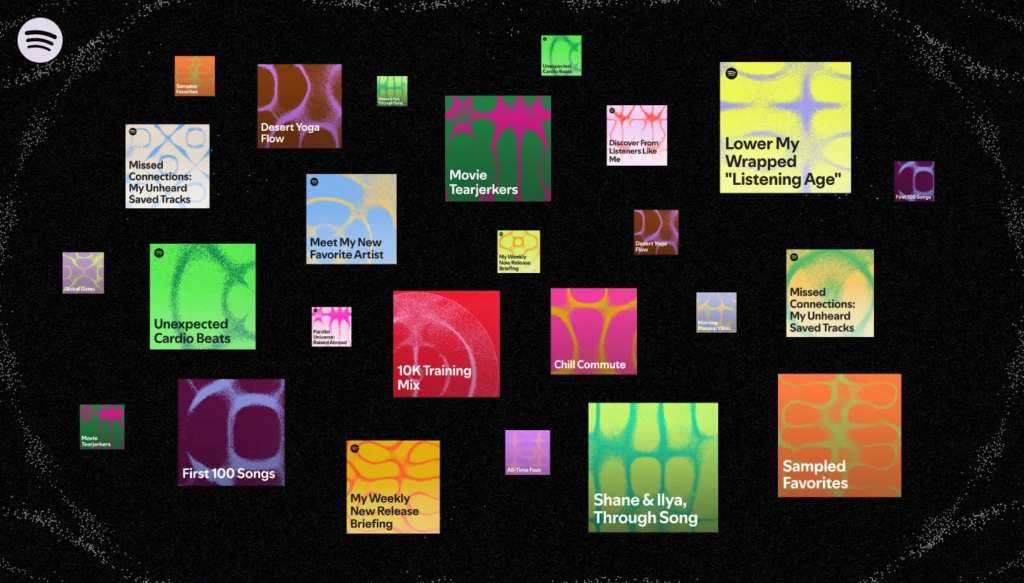
Currently in beta and available only in English, Prompted Playlists builds on Spotify’s existing AI playlist tools, offering more control and flexibility. Users can even set playlists to refresh on a daily or weekly basis to keep the content fresh. This new feature aims to enhance the way users interact with music on the platform, making music discovery more intuitive and personalized.
Apple Reportedly Developing an AI Wearable to Compete with OpenAI
Apple is reportedly working on a new AI-powered wearable device, which could be a game-changer in the world of personal tech. This device, expected to be a small, clip-on pin similar in size to an AirTag, would feature multiple cameras, microphones, and a speaker. The wearable aims to offer real-time AI assistance through voice interactions and could be used in tandem with existing Apple products like iPhones and AirPods, enhancing their functionality without the need for a screen.
This move signals Apple’s intention to enter the AI hardware race, competing with other tech giants like OpenAI. While the device is still in development, early reports suggest it could launch as early as 2027, marking a significant shift in how AI is integrated into our daily lives through wearable technology.
Apple Plans to Turn Siri Into a Full AI Chatbot
Apple is preparing to give Siri its biggest upgrade ever by transforming the familiar voice assistant into a true conversational AI chatbot capable of back‑and‑forth dialogue, deep reasoning, and more advanced help across Apple devices. This revamp, reported to be part of the iOS 27, iPadOS 27, and macOS 27 software updates later this year, would move Siri beyond simple voice commands to something more like a modern chatbot experience. The redesigned Siri is expected to respond to questions and tasks with richer, more natural language and be deeply integrated into iPhones, iPads, and Macs.
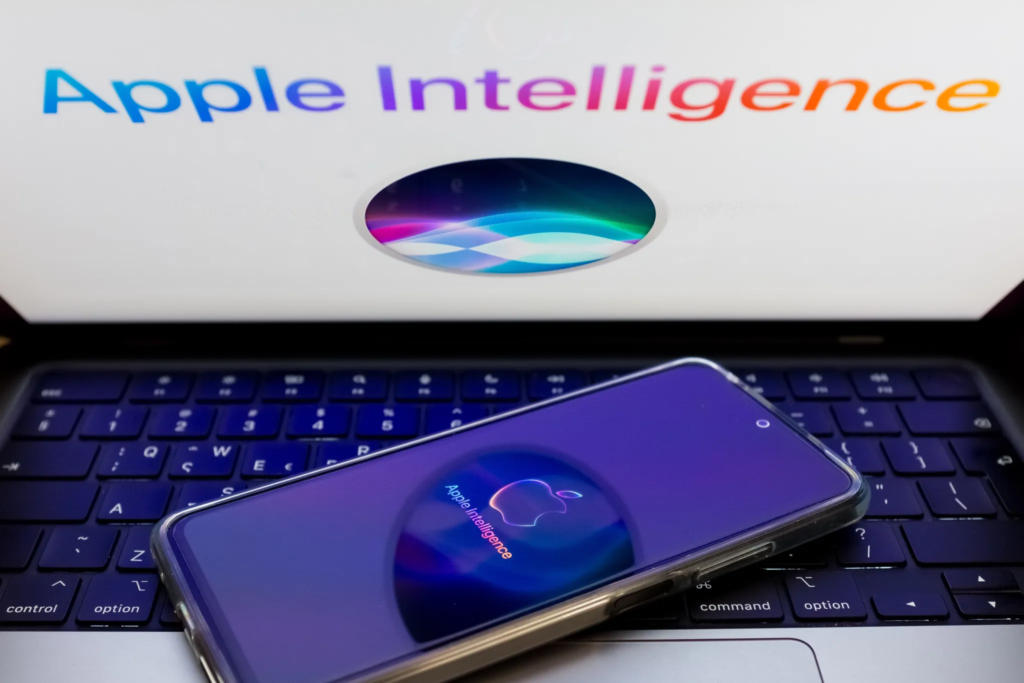
Internally codenamed “Campos,” the new Siri will support both text and voice interaction and tap advanced AI capabilities to answer complex questions, generate creative content, and carry out multi‑step tasks — much like other leading AI chatbots. Apple is reportedly using technology from Google’s AI models to power this upgrade as part of its broader effort to stay competitive in the fast‑evolving world of generative AI. The company could showcase the chatbot at its Worldwide Developers Conference mid‑year, with a full rollout expected later in 2026.