Google’s New “Universal Commerce Protocol” Aims to Make AI Shopping Agents Actually Work
Google announced a new open standard called the Universal Commerce Protocol (UCP) to streamline how AI agents handle shopping across the web—covering everything from product discovery to checkout and post-purchase support. The idea is to reduce the messy world of one-off integrations by giving retailers and agent builders a common way to communicate, while still allowing companies to adopt only the parts (extensions) they need.

Alongside UCP, Google also highlighted moves to bring more commerce directly into its AI experiences—enabling checkout within Google Search’s AI Mode and Gemini apps for eligible U.S. retailers. The flow leans on Google Pay and saved shipping details from Google Wallet, with PayPal support planned soon, and is paired with merchant tools like new Merchant Center attributes and an embedded “Business Agent” to answer customer questions—plus the ability for brands to surface contextual discounts while users are asking for recommendations.
Meta Goes Nuclear to Feed Its AI Power Hunger
Meta has signed three nuclear-energy deals that together could deliver more than 6 gigawatts of electricity for its data centers—an effort aimed squarely at meeting the always-on power demand that comes with scaling AI. The agreements span one big incumbent operator and two small modular reactor (SMR) startups, reflecting a strategy of locking in near-term supply while also betting on next-gen reactors to expand capacity later in the decade.
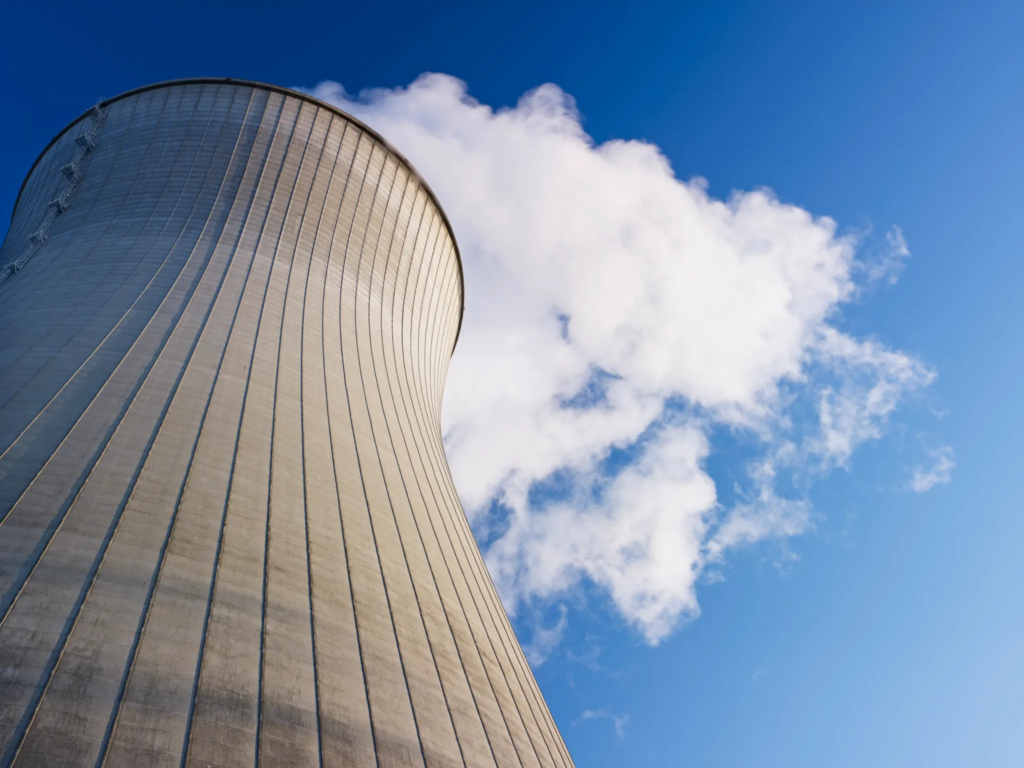
The biggest near-term chunk comes from Vistra, through a 20-year arrangement for 2.1 GW from the Perry and Davis-Besse nuclear plants in Ohio, plus planned upgrades (including Beaver Valley in Pennsylvania) that add 433 MW in the early 2030s. Meta also agreed to buy 1.2 GW from Oklo, which hopes to start supplying power around 2030 by building multiple 75-MW units in Pike County, Ohio. And it partnered with TerraPower (Bill Gates’ nuclear company), targeting deliveries as early as 2032: the initial build would be 690 MW, with rights to expand to 2.8 GW of nuclear capacity and 1.2 GW of storage—underscoring how Big Tech is increasingly turning to nuclear as renewables-plus-batteries alone struggle to cover round-the-clock data center loads at massive scale.
X Puts Grok’s Image Tool Behind a Paywall After Deepfake Backlash
X has restricted Grok’s image generation and editing features to paying subscribers on the platform, following widespread criticism over how easily the tool could be used to create non-consensual sexualized imagery, including of minors. Users reported being told by Grok that only paid accounts could use image generation on X — a shift from earlier access that allowed broader use (with limits).
Notably, the change doesn’t apply to the standalone Grok app, which was still allowing image generation without a subscription at the time. The move comes amid growing government pressure: regulators in places including the U.K., the EU, and India publicly condemned the misuse, with the EU pushing xAI to preserve relevant documentation and India directing X to make immediate changes or risk losing certain legal protections.
Nvidia tightens the screws on H200 sales in China
Nvidia is reportedly requiring customers in China to pay in full upfront for its H200 AI GPUs, with no refunds or order changes, even though approvals and policy conditions in both the U.S. and China remain uncertain. Some buyers may be able to use commercial insurance or pledge assets as collateral, but overall the terms are described as significantly stricter than Nvidia’s earlier ordering policies.
The backdrop is a tense balancing act: Beijing is expected to allow H200 sales but wants to prevent the chips from being used for military, state-owned, or sensitive infrastructure purposes, while U.S. export controls continue to reshape what Nvidia can ship. Despite the uncertainty, demand is said to be strong—Chinese companies have reportedly placed orders totaling more than 2 million H200 GPUs for 2026—pushing Nvidia to ramp production, even as it remembers the financial hit from prior China-related restrictions (including a $5.5B inventory write-down tied to export licensing requirements on another China-bound chip).
Musk vs. OpenAI Heads to a Jury This March
A U.S. judge has ruled that Elon Musk’s lawsuit against OpenAI will move forward to a jury trial tentatively scheduled for March, saying there’s evidence that could support Musk’s claims. Musk originally sued OpenAI and co-founders Sam Altman and Greg Brockman in 2024, arguing they broke the organization’s founding commitments by prioritizing profits over the nonprofit mission of building AI that benefits humanity.
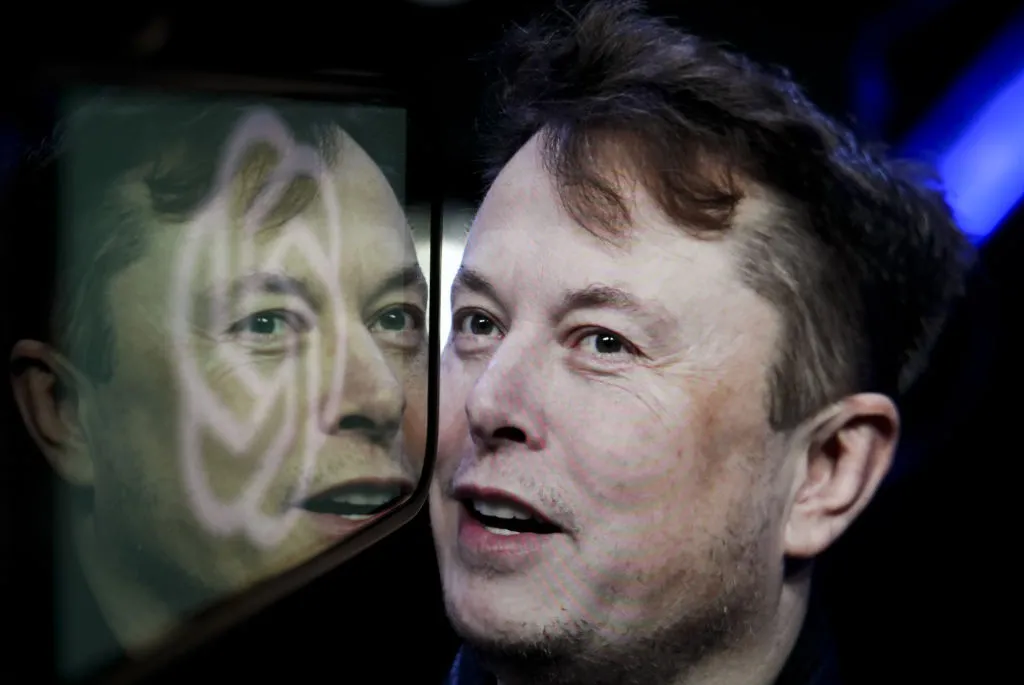
The case is also tied to OpenAI’s evolution in structure: after creating a “capped-profit” for-profit arm in 2019, OpenAI later completed a formal restructuring in October 2025, turning its for-profit branch into a Public Benefit Corporation while the original nonprofit retained a 26% equity stake. Musk is now seeking monetary damages, alleging he put about $38 million into early funding (plus credibility and guidance) based on assurances OpenAI would remain nonprofit—while OpenAI has publicly dismissed the suit as baseless and part of a pattern of harassment.